We offer Car Leasing, Van Leasing, PCP and Contract Hire to Business and Personal Customers
1st Leasing has over 20 years experience in finance and the Motor Trade. Our aim is to offer a new experience in the car leasing and contract hire industry. We can offer the cheapest car leasing deals on all makes of cars available in the UK. Currently we have hundreds of car leasing special offers that are available to both business and personal customers. Car leasing is becoming more popular for everyone, it allows customers to run cars which may often be beyond their budgets if they tried to purchase outright.
We can tailor a funding package to suit your individual requirements. If you are looking for a single vehicle or run a large fleet, we have the expertise at hand to offer you advice and find the best car lease deals available in the market place. Car leasing offers hassle free motoring for a fixed monthly cost, on a brand new car. The road tax and breakdown cover is usually included in the package, as is free nationwide delivery. At the end of the lease period you simply hand the car back with no balloon payment or other associated costs.
We have established strong relationships with Main Dealers and Finance Companies to ensure we can provide our customers with the most competitive rates available. Most of the special offers on the site are based on 10,000 miler per annum over 24, 36 or 48 months, all the offers are subject to availability of the vehicle and approval of finance. If you can't see the deal that you are looking for, call us and we will do our best to find it.
Clare N
1st Leasing
I was really impressed by how straightforward and simple it was to lease my car through 1st leasing. They were really efficient and made the whole process easy to understand as a first timer, and I have no hesitation in recommending them.
John C
1st Leasing
Very impressed with the level of service from 1st Leasing, David has kept in touch keeping me up to speed with delivery dates & various other information required, making the whole process of leasing a very smooth reliable experience. Would not hesitate to recommend 1st Leasing to anyone looking to lease their next vehicle without fuss or drama. Excellent service.
Max W
1st Leasing
I've arranged leases through 1st Leasing twice now. Each time the service has been fantastic and the deals offered are always competitive. Will definitely recommend to friends and family!
This is an easy and effective way to fund any number of vehicles. Business Contract Hire, also referred to as an Operating Lease, is a long term rental agreement. Contracts range from 1 to 5 years and are tailored to the individuals business requirements.
Main Advantages:
Low capital expenditure
Improved cash flow
Accurate monthly budgeting
Fixed monthly payments
Road Fund Licence provided for duration of contract
Optional maintenance package to include servicing & tyres
Optional breakdown cover
Optional replacement vehicle cover in event of breakdown
Disadvantages:
Early termination can be expensive
If you do more miles than agreed in your contract you will be charged excess mileage for each mile over.
The vehicle must be returned in a well maintained condition otherwise you may be charged for any damage over and above fair wear and tear.
You will never own the vehicle as there is no option to buy it.
Personal Contract Hire (also known as personal leasing) is simply contract hire but for private individuals. It is based on a fixed term where customers pay an agreed monthly charge for the use of a vehicle over a fixed term.
Advantages:
Flexible initial payment
Fixed term contract
Agreed mileage contract
Fixed price motoring
At the end of your contract simply hand the vehicle back.
Option to include maintenance servicing & tyres with the contract.
No depreciation or resale worries.
Disadvantages:
The vehicle must be handed back in good condition free of damage.
Early termination can be costly.
You will never own the vehicle or have an option to buy it.
Leasing a car or van couldn’t be easier.
Step 1: Choose the vehicle you would like to lease. 1st Leasing have access to most makes and models of cars or vans through our nationwide network of main dealer supply groups. Our deals are available for both personal and business users.
Step 2: Getting a credit line. This is done by completing one of our application forms, for us to submit to the leasing company.
Step 3: Place your leasing order with 1st Leasing. We charge no fees when ordering a vehicle.
Step 4: Your order is placed with one of our supplying dealers and we wait for the car to arrive in stock.
Step 5: Once the car is in stock you sign your lease agreement and pay any initial rental due.
Step 6: Delivery of your lease vehicle can now take place.
A lease is basically a long-term rental agreement, offering the use of a car or van for a fixed period at a guaranteed monthly rental. If you are a business, this is the most cost efficient method of funding vehicles as it makes use of the tax and vat regulations to reduce the running cost of vehicles. The biggest cost of running a new vehicle is depreciation, and many new cars and vans will lose more than half their initial value after the first three years of ownership. Often the lease payments will be less than this depreciation. Rather than buying on finance often paying a large deposit, with a lease you simply pay a small initial rental, followed by fixed monthly payments. At the end of the lease you simply hand the car back and walk away. The job of disposing of the car is the responsibility of the leasing company.









1st Leasing are a credit broker and not a lender, we are authorised and regulated by the Financial Conduct Authority. Registered No : 677143
Data Protection No : ZA033495 | VAT No : 122177933
Registered Office : 10 Farr Way, Blidworth, Nottinghamshire NG21 0UB
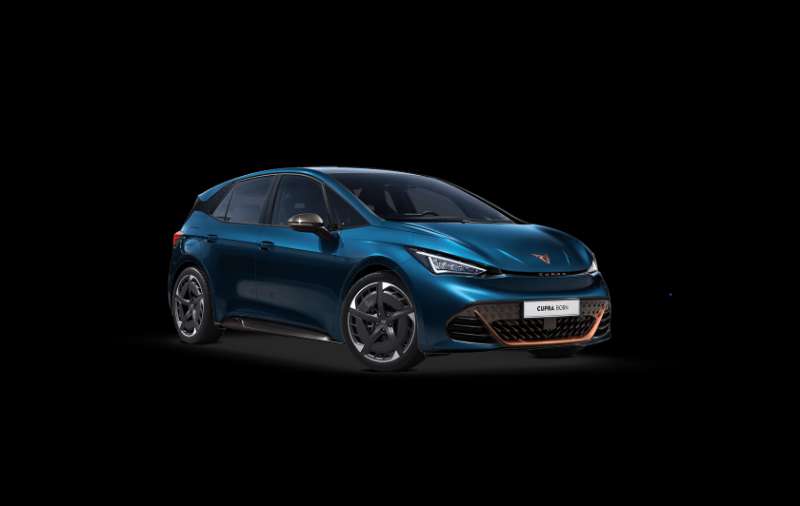
Disclaimer: All vehicle images and descriptions are for illustration and reference purposes only, all vehicle leases are subject to credit approval and subject to change at any time. E&OE. Car logos courtesy of royalty free image site Pixabay.
![Renault Symbioz SUV 1.6 E-TECH 145PS techno 5Dr Auto [Start Stop]](assets/bizzyshop/itemimages/1STL10449/68545a020f5fc.jpg)
![Kia Ceed 5Dr Sportswagon 5Dr 1.5 T-GDi 138PS 2 5Dr Manual [Start Stop]](assets/bizzyshop/itemimages/1STL10448/67112b562d6e5.jpg)

![LEXUS NX ESTATE 450h+ 2.5 5dr E-CVT [Premium Pack/Link Pro] in Fuji Red](assets/bizzyshop/itemimages/1STL10439/668be0865b72c.jpg)